



Bobcat Machine for Sale: Straight Answers to the Questions Buyers Ask Most in 2026
When we’re shopping for a bobcat machine for sale, the questions tend to sound simple at first, until money, jobsite demands, transport limits, and attachment compatibility enter the picture. Then it gets real fast.
For contractors, landscapers, rental businesses, and growing construction teams, Bobcat equipment remains a practical favorite because it covers a lot of ground: skid steers, compact track loaders, mini excavators, telehandlers, utility vehicles, and more. But buyers still want clarity on the basics before they commit. What is a Bobcat machine? How much does one cost? How heavy is it? And is buying used actually the smarter move?
In this FAQ guide, we’ll answer the most common buying questions in plain English, with a focus on real-world decision-making, not brochure fluff. We’ll also touch on how we evaluate machines, what affects value, and why many buyers turn to marketplaces like Bobcat For Sale when they want dependable equipment without paying top-dollar for brand-new inventory.
Key Takeaways
- A Bobcat machine is versatile compact construction equipment ideal for tight spaces across industries like landscaping, construction, and agriculture.
- Bobcat machines are popular due to their durability, extensive attachment options, and ease of operation in confined job sites.
- Prices vary widely depending on machine type, condition, hours, attachments, and new versus used status, with used machines offering strong value for many buyers.
- Weight differences among Bobcat models affect transport needs, ground impact, and jobsite accessibility, so verify exact specs before purchase.
- Buying used Bobcat equipment often provides cost savings and flexibility, but thorough inspection of engine, hydraulics, and maintenance history is crucial.
- Choosing the right Bobcat machine depends on job type, terrain, transport ability, and required attachments to maximize investment returns.
FAQs about Bobcat products
If we’ve ever heard someone use “Bobcat” as a catch-all term for compact equipment, that’s not unusual. The brand is so established that people often say “bobcat machine” when they really mean a skid steer or compact loader in general. Still, if we’re buying, renting, or comparing equipment, the details matter.
Below are the questions we hear most often from buyers looking for bobcat machines for construction, landscaping, agriculture, snow removal, property maintenance, and equipment fleets.
What is a Bobcat machine?
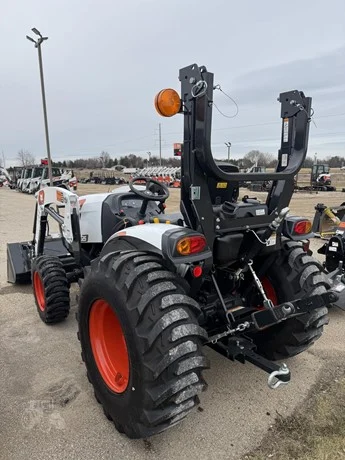
A Bobcat machine is compact construction equipment made by Bobcat Company, a manufacturer best known for skid-steer loaders but also widely recognized for compact track loaders, mini excavators, small articulated loaders, telehandlers, utility vehicles, tractors, and attachments.
In everyday conversation, people often use the term to refer specifically to a skid steer. That’s understandable, Bobcat helped popularize the category. But from a buying perspective, “Bobcat machine” can mean several different types of equipment, including:
- Skid-steer loaders for loading, grading, lifting, and attachment-powered tasks
- Compact track loaders for softer ground and improved traction
- Mini excavators for trenching, digging, and utility work
- Telehandlers for lifting materials to height
- Utility vehicles for hauling tools, debris, or crew supplies across a site
So when we ask, “what is a bobcat machine?”, the best answer is: it’s a compact, jobsite-focused machine designed to do more with less space. That’s a big reason it stays in demand across industries.
Why are Bobcat machines so popular?
A few reasons keep Bobcat equipment near the top of buyer shortlists.
First, the brand has a long reputation for durability. Contractors and rental operators tend to favor machines that can take daily use without becoming a maintenance headache. Second, Bobcat’s attachment ecosystem is a major advantage. A single loader can switch from bucket work to auger drilling, brush cutting, pallet handling, trenching, or snow pushing. That kind of versatility matters when we’re trying to get more value out of one machine.
There’s also the operator side. Bobcat machines are generally known for compact dimensions, straightforward controls, and strong performance in tight spaces. On urban jobsites, residential landscaping projects, and smaller commercial builds, that’s not a nice-to-have. It’s often the whole reason a machine makes sense.
What types of Bobcat equipment are commonly sold?
The machines most often listed in the market include:
- Bobcat skid steer for sale: A go-to choice for loading, grading, and all-around site work
- Bobcat track loader for sale: Popular where traction and reduced ground pressure matter
- Bobcat mini excavator for sale: Ideal for trenching, utility installs, and tight-access excavation
- Bobcat telehandler for sale: Useful for material placement and lifting applications
- Utility vehicles for sale: Common for property support, grounds maintenance, and farm use
Used inventory often moves fastest in the skid steer and mini excavator categories because those machines fit so many business models. Small contractors want versatility. Landscapers want maneuverability. Rental fleets want broad appeal. Everyone wants uptime.
How much is a Bobcat machine price in 2026?
Bobcat machine price depends on the model, age, hours, condition, attachment package, and whether the unit is new or used. There isn’t one universal number, and honestly, that’s where buyers get tripped up.
As a general rule:
- Used older skid steers may start in the lower five-figure range
- Late-model used machines often land in the mid-five figures or higher
- New compact loaders or mini excavators can range significantly higher depending on specs and options
- Telehandlers and specialized machines usually cost more because of lifting capability and application range
A machine with low hours, enclosed cab, HVAC, premium hydraulics, and multiple attachments will naturally command a higher price than a base unit with visible wear. Regional demand also affects pricing. In active construction markets, well-maintained used Bobcat equipment can sell quickly and hold value surprisingly well.
That’s one reason buyers increasingly compare listings online before making a decision. On a marketplace such as Used Bobcats for Sale – Bobcat For Sale, we can review available machines across categories and compare features more efficiently than relying on one local listing at a time.
What affects Bobcat machine price the most?
Several factors have an outsized effect on value:
- Machine type: A mini excavator, skid steer, and telehandler won’t price the same, even from the same model year.
- Hours of use: Lower hours usually mean less wear, though maintenance history matters just as much.
- Condition: Tires or tracks, hydraulic performance, engine health, pins and bushings, undercarriage wear, and cosmetic condition all influence price.
- Attachments included: Buckets, forks, augers, trenchers, grapples, and specialized attachments can add meaningful value.
- Cab and options: Enclosed cab, heat, AC, high-flow hydraulics, and advanced controls can raise asking prices.
- Service history: A machine with records tends to inspire more buyer confidence.
- Local supply and demand: In some areas, compact equipment is snapped up fast, which tightens pricing.
If we’re comparing two similar listings and one looks “too cheap,” it’s worth slowing down. Low pricing can reflect urgency, but it can also signal deferred maintenance or hidden issues.
What is the average Bobcat machine weight?
Bobcat machine weight varies widely by equipment type and model. A compact skid steer may weigh several thousand pounds, while a telehandler can weigh substantially more. That difference matters for transport, trailer capacity, site access, and ground conditions.
Here’s the practical way to think about it:
- Skid steers: Often fall in the compact-to-midweight range for easy transport and general jobsite use
- Compact track loaders: Usually weigh more than comparable skid steers due to track systems and heavier frames
- Mini excavators: Can range from very compact models for backyard access to heavier machines for more serious digging
- Telehandlers: Typically weigh much more because they’re built for lift height and capacity
Before we buy, we should verify the exact operating weight and transport weight for the specific model, not just the brand category. A machine that fits the job but exceeds trailer limits or local hauling rules can create expensive headaches.
Why does Bobcat machine weight matter so much?
Because weight affects more than transport.
It influences:
- Trailer and towing requirements
- Ground pressure and turf impact
- Jobsite access limitations
- Stability during operation
- Storage and delivery planning
For landscapers, lower ground disturbance may be a priority. For demolition or lifting work, added machine weight can support stability. For smaller contractors, the real question is often simple: can we haul it with our current truck and trailer setup, or do we need to outsource transport?
That one answer can change the total cost of ownership more than people expect.
Is it better to buy new or used Bobcat equipment?
That depends on how we plan to use the machine.
New Bobcat machines make sense when we want the latest features, full warranty support, predictable maintenance early on, and long-term fleet standardization. They’re especially appealing for businesses that run equipment hard every day and can justify the premium.
But used Bobcat equipment is often the smarter financial move for many buyers. Why? Lower upfront cost, slower depreciation relative to new, and access to proven machines that still have years of productive life left when properly maintained.
For small to medium-sized businesses, used can free up cash for attachments, trailers, labor, or additional equipment. That flexibility matters. A lower purchase price also reduces risk if we’re testing demand in a new service line, say, adding grading, snow removal, or light excavation.
What should we inspect before buying a used Bobcat machine?
At minimum, we should inspect:
- Engine start-up and idle quality
- Hydraulic function and responsiveness
- Leaks around hoses, cylinders, and fittings
- Tires or tracks for wear
- Undercarriage condition on tracked machines
- Bucket, coupler, pins, and bushings
- Lift arms and structural components
- Cab controls, safety systems, and gauges
- Hour meter reading and service records
If possible, operate the machine under load. A short walkaround tells us something: a functional test tells us much more. Listen for unusual noises. Watch for slow hydraulics or jerky motion. Check whether attachments connect correctly and whether auxiliary hydraulics perform as expected.
And yes, appearance matters, but not in the way some buyers think. A clean machine is nice. A documented maintenance history is better.
Are Bobcat attachments worth it?
Usually, yes, if they match the work we actually do.
Attachments are one of the biggest reasons Bobcat equipment remains so useful. Instead of buying separate specialized machines, we can expand the capability of one loader with the right tools. Common attachment options include:
- Buckets
- Pallet forks
- Grapples
- Augers
- Trenchers
- Brush cutters
- Snow pushers and blades
The key is to avoid buying attachments just because they seem versatile on paper. If an attachment will generate revenue, reduce labor, or eliminate rentals, it’s probably worth considering. If it’s likely to sit behind the shop most of the year… maybe not.
Where can we find a Bobcat machine for sale online?
Online equipment marketplaces are now one of the fastest ways to compare available inventory, especially when local options are limited. Instead of waiting for one dealer lot or auction cycle, we can review multiple machine types, conditions, and price points in one place.
For buyers looking for both used and new inventory, Bobcat For Sale is positioned around exactly that need: helping buyers access Bobcat for sale, including used Bobcat equipment and a range of compact construction machines and attachments at more competitive price points than many brand-new-only channels.
That can be especially useful when we’re trying to balance budget with reliability and want more than a one-size-fits-all recommendation.
How do we choose the right Bobcat machine?
A good buying decision usually comes down to five questions:
- What jobs will it do most often?
- What lift capacity or digging depth do we need?
- What surfaces will it run on?
- How will we transport it?
- Which attachments will actually earn their keep?
If most of our work is loading, grading, and material handling on hard surfaces, a skid steer may be the right fit. If we work in mud, soft soil, or sensitive ground, a track loader may be the better call. If trenching and utility work dominate the calendar, a mini excavator probably makes more sense than forcing a loader to do excavator work.
That last point sounds obvious, but it’s where a lot of money gets wasted.
Final buyer takeaway
When we’re evaluating a bobcat machine for sale, the smartest move isn’t chasing the lowest price, it’s matching the machine to the work, the hauling setup, and the budget we can actually support. Price matters. So do weight, hours, attachments, and condition. But fit matters most.
The good news is Bobcat equipment gives buyers a lot of practical options. Whether we need a compact machine for landscaping, a dependable skid steer for daily site work, or a mini excavator that can handle tight-access digging, there’s usually a model that fits the job without overbuying.
And if we start with the right questions, we tend to end up with the right machine.
Bobcat Machine for Sale: Frequently Asked Questions
What is a Bobcat machine and what types are commonly available for sale?
A Bobcat machine refers to compact construction equipment made by Bobcat Company, including skid-steer loaders, compact track loaders, mini excavators, telehandlers, and utility vehicles. These types cover a wide range of applications from landscaping to construction and material handling.
Why are Bobcat machines so popular among contractors and landscapers?
Bobcat machines are favored for their durability, versatility with numerous attachments, compact size for tight job sites, and straightforward controls. These traits make them ideal for varied tasks like grading, trenching, lifting, and snow removal across many industries.
How much does a Bobcat machine typically cost in 2026?
Prices vary widely depending on model, age, hours, condition, and attachments. Used older skid steers may start in the lower five-figure range, while late-model used machines often cost mid-five figures or higher. New models and telehandlers usually command higher prices based on features and specs.
What factors most affect the price of a Bobcat machine?
Key factors include machine type, hours of use, condition of parts like tires and hydraulics, included attachments, cab options like HVAC, service history, and local supply and demand. These determine overall value beyond just model age.
Is it better to buy a new or used Bobcat machine?
It depends on your needs. New machines offer latest features and full warranties, good for heavy daily use. Used machines provide cost savings, slower depreciation, and often still have years of productive life, making them ideal for small to medium businesses or budget-conscious buyers.
What should be inspected before purchasing a used Bobcat machine?
Inspect engine startup and idle, hydraulic responsiveness, leaks, tires or tracks, undercarriage, bucket and pins, lift arms, cab controls, hour meter, and review service records. A functional test under load is critical to reveal operational issues not visible during a walkaround.


1 Comments